You already know the basics of fire safety for businesses. But what about the risks you don’t think twice about? A quick look around your workplace could reveal hazards hiding in plain sight. Discover what to watch for before a small item becomes a serious hazard.
What fire risks are hiding in my business?
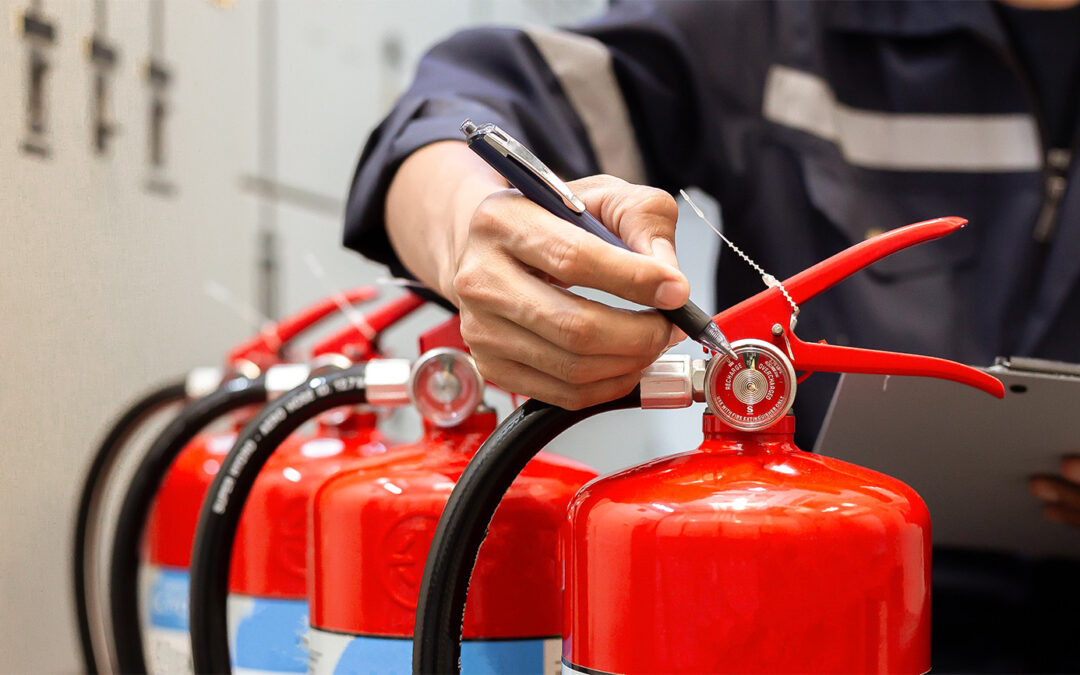
1. Neglected fire extinguishers. A fire extinguisher is only useful if it works when you need it. Extinguishers can lose pressure, become damaged, or get blocked by items over the years.
The solution? Make sure all fire extinguishers are accessible and inspected regularly. If one has been used or shows signs of damage, have it serviced or replaced.
2. Inactive or poorly maintained sprinkler systems. A sprinkler system can’t do its job if it has been shut off, damaged, or poorly maintained.
The solution? Make sure sprinkler control valves remain open and accessible. Maintain at least 18 inches of clearance between the top of storage and sprinkler deflectors. Have the system inspected, tested, and maintained in accordance with applicable requirements.
3. Combustibles too close to heat sources. Cardboard, paper, packaging, and other combustible materials can become dangerous when stored near heaters, machinery, or other heat sources. Even materials that seem harmless can ignite under the right conditions.
The solution? Keep combustibles away from heat-producing equipment and maintain appropriate clearance around fire protection systems.
4. Damaged wiring and overloaded electrical systems. Frayed cords, loose connections, and overloaded outlets can generate heat that can lead to a fire.
The solution? Look out for flickering lights, warm outlets, burning smells, or frequently tripped breakers. Have electrical problems addressed by a trusted, qualified professional.
5. Faulty or overloaded power strips. Power strips aren’t designed to handle unlimited electrical loads. Using them with high-wattage equipment or connecting multiple strips can create a fire risk.
The solution? Inspect power strips regularly and replace them every three to five years.
6. Improper pallet storage. Wooden pallets are combustible, and storing them too close to buildings, equipment, or other ignition sources can allow a fire to spread quickly.
The solution? Keep pallet storage organized and away from heat sources. Follow fire code requirements for storage locations and clearances.
7. Dust buildup around equipment. Did you know? Certain types of dust can ignite when it accumulates around motors, machinery, or other heat-producing equipment. It’s especially true in manufacturing, woodworking, and other businesses that generate dust.
The solution? Keep equipment clean and follow recommended maintenance guidelines to reduce buildup.
8. Kitchen and cooking equipment. Commercial kitchens face fire risks from grease buildup, unattended cooking, and improperly maintained equipment.
The solution? Clean cooking surfaces and exhaust systems regularly. Make sure employees know how to respond to cooking fires. Never use water on a grease fire.
9. Temporary heating and cooling equipment. Space heaters, portable fans, and other temporary equipment can create risks when used incorrectly.
The solution? Keep portable heaters away from combustible materials and plug them directly into appropriate outlets. Inspect cords before use and turn equipment off when it’s not needed.
Fire safety for businesses starts with taking a closer look. Set aside time to look at your workplace and address the risks hiding in plain sight. A little prevention today can help protect your business tomorrow. Looking for even more fire protection? Talk to a local, independent agent about comprehensive business insurance today.
This content was developed for general informational purposes only. While we strive to keep the information relevant and up to date, we make no guarantees or warranties regarding the completeness, accuracy, or reliability of the information, products, services, or graphics contained within the blog. The blog content is not intended to serve as professional or expert advice for your insurance needs. Contact your local, independent insurance agent for coverage advice and policy services.
